

24 April 2026
How Does CCTV and Artificial Intelligence Integration Work in Smart Cities?
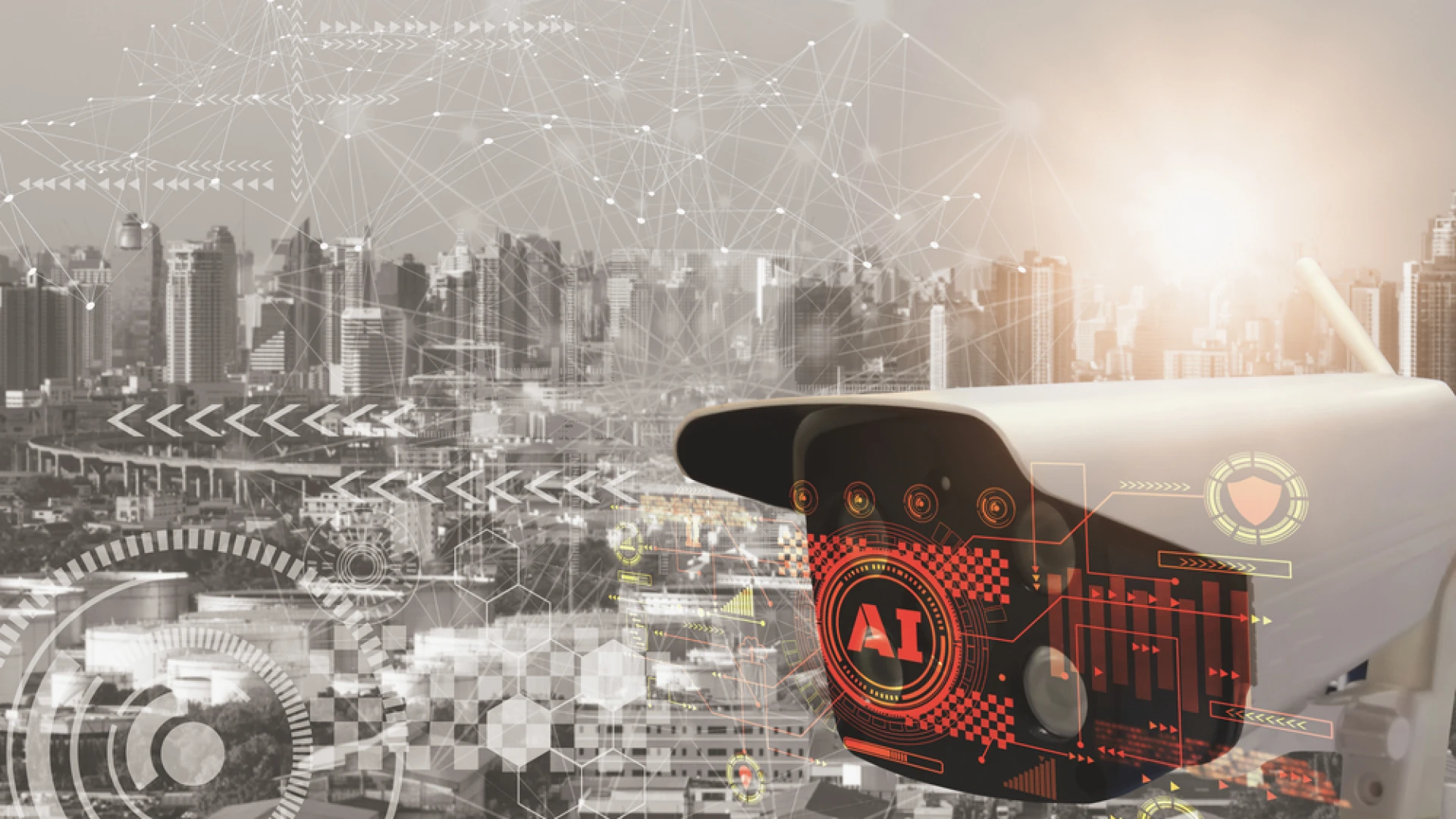
As cities rapidly digitalize today, smart city technologies stand out in critical areas such as security, traffic management, and public services. At the center of this transformation lies the integration of CCTV camera systems and artificial intelligence. Cameras no longer just record footage; they analyze data and generate meaningful insights.
What Is a Smart City and Why Is It Important?
A smart city is a structure equipped with sensors, cameras, and data analysis systems that make urban management more efficient. In these cities, data is at the core of decision-making processes. Digital transformation is achieved across many areas from security to transportation.
With increasing population density, smart security systems have become essential to make cities safer and more livable.
The Evolution of CCTV Systems
Traditional CCTV camera systems were once used only for recording, but today they have become far more advanced thanks to video analytics technology. These systems now include features such as facial recognition, motion analysis, and anomaly detection.
This transformation has shifted city security from a passive structure to an active and preventive system.
How Does Artificial Intelligence Integration Work?
AI-powered CCTV systems analyze footage from cameras in real time. During this process, deep learning algorithms detect specific behaviors, objects, or events.
For example, abnormal movements in a crowd, an abandoned bag, or a traffic violation can be automatically detected by the system. This enables security teams to respond quickly and accurately.
The Role of Video Analytics in Smart Security
Video analytics is one of the most powerful applications of artificial intelligence. The system learns specific scenarios and produces more accurate results over time, reducing error rates and increasing operational efficiency.
Especially for city security infrastructure, such systems reduce dependency on human labor while ensuring comprehensive monitoring.
Use in Traffic and Transportation Management
Smart transportation systems are among the most common use cases of CCTV and AI integration. Traffic density is analyzed to optimize signaling systems.
Additionally, license plate recognition systems allow vehicle tracking, parking management, and automatic detection of traffic violations.
Real-Time Data and Decision Making
Real-time data analysis is one of the key advantages of smart cities. With CCTV and AI systems, instant data is processed and quick decisions are made.
This is especially critical in emergency management. Situations such as fires, accidents, or security threats are instantly detected and reported to relevant units.
Advantages for Corporate and Public Sectors
Integrated with enterprise software solutions, these systems provide significant advantages for both private and public sectors. Security costs decrease while efficiency increases.
Furthermore, long-term strategic planning becomes possible through data analysis.
Data Security and Privacy
Data security is one of the most critical aspects of these systems. Collected data must be securely stored and processed.
Therefore, advanced encryption methods and access control mechanisms are used.
The Future of CCTV and Artificial Intelligence
In the future, AI security systems will evolve to perform predictive analysis, preventing crimes before they occur.
Additionally, systems integrated with the Internet of Things (IoT) can make cities fully autonomous.
Conclusion
CCTV and artificial intelligence integration is an indispensable part of smart cities. These systems make cities safer, more efficient, and more sustainable.
For organizations seeking competitive advantage in future cities, investing in these technologies is no longer an option but a necessity.
Inspiring Posts