

24 April 2026

Next-Generation Access Control Systems: From Cards to Biometrics
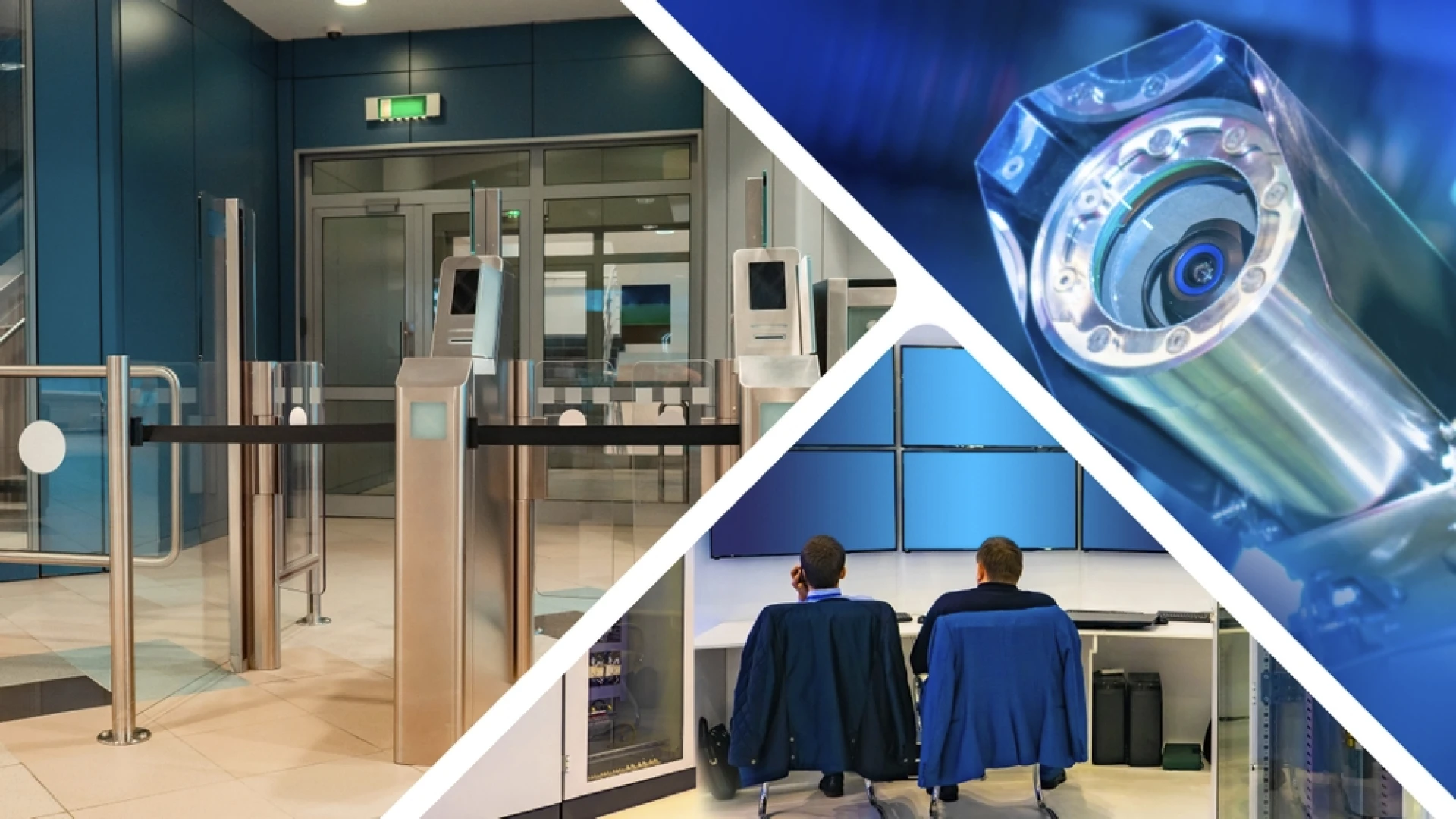
As security technologies rapidly evolve, access control systems have become one of the most critical components of this transformation. The shift from traditional card-based systems to biometric security systems not only enhances security levels but also significantly improves user experience. Today, organizations invest in these systems not only for identity verification but also for data security, operational efficiency, and sustainability.
Core Logic of Access Control Systems
Access control solutions are technological systems that regulate who can enter specific areas, when, and with what permissions. These systems are widely used in offices, factories, hospitals, public institutions, and data centers.
While traditional systems relied on magnetic or RFID cards for authentication, modern solutions are replacing them with faster and more secure alternatives.
Limitations of Card-Based Systems
Card access systems have long been the foundation of security solutions. However, they have critical weaknesses. Cards can be lost, stolen, or used by unauthorized individuals, leading to security vulnerabilities.
Additionally, processes such as card production, distribution, and management create additional costs and workload for organizations, increasing the need for more advanced solutions.
Reasons for Transition to Biometric Systems
Biometric access control systems authenticate users based on their physical or behavioral characteristics. Technologies such as fingerprint recognition, facial recognition, iris scanning, and voice recognition are widely used.
The biggest advantage of these systems is that authentication data is unique to each individual, eliminating risks such as card sharing or unauthorized use.
The Rise of Facial Recognition Technology
Facial recognition systems have become one of the fastest-growing biometric technologies in recent years. Their camera-based operation provides a contactless experience, making them highly demanded, especially after the pandemic.
With advanced algorithms, these systems deliver high accuracy even under different lighting conditions, maximizing security.
Fingerprint and Other Biometric Methods
Fingerprint readers are among the most widely used biometric solutions. Their ease of use, speed, and reliability make them popular across various industries.
In addition, advanced technologies such as iris recognition and vein scanning are used in high-security environments.
Integrated Security in Smart Buildings
Smart building systems integrated with access control solutions not only manage entry and exit but also work in coordination with energy management, lighting, and HVAC systems.
This integration significantly improves both security and operational efficiency.
Cloud-Based Access Control Systems
Cloud-based security systems have introduced a new era in access control solutions. These systems collect all data on a centralized platform and allow remote management.
This is especially advantageous for organizations with multiple locations.
Data Security and Compliance
Data security is one of the most critical aspects of biometric systems. Collected biometric data must be securely stored and processed in compliance with legal regulations.
Systems compliant with regulations such as GDPR ensure secure storage and processing of user data.
User Experience and Speed
Fast access systems provide significant advantages in areas with heavy entry-exit traffic. Biometric systems allow users to pass quickly and securely without carrying cards.
This increases employee satisfaction while accelerating operational processes.
The Future of Access Control Systems
In the future, AI-powered security systems will be capable of analyzing behavior and detecting anomalies in advance, making security more proactive.
Additionally, mobile authentication and digital wallet integrations will further enhance user experience.
Investment and Competitive Advantage
security automation and investments in biometric solutions provide organizations with a significant competitive advantage in both security and efficiency.
These systems reduce long-term costs while maximizing security levels.
In today’s competitive business environment, security should be seen not only as a necessity but also as a strategic investment.