


24 April 2026
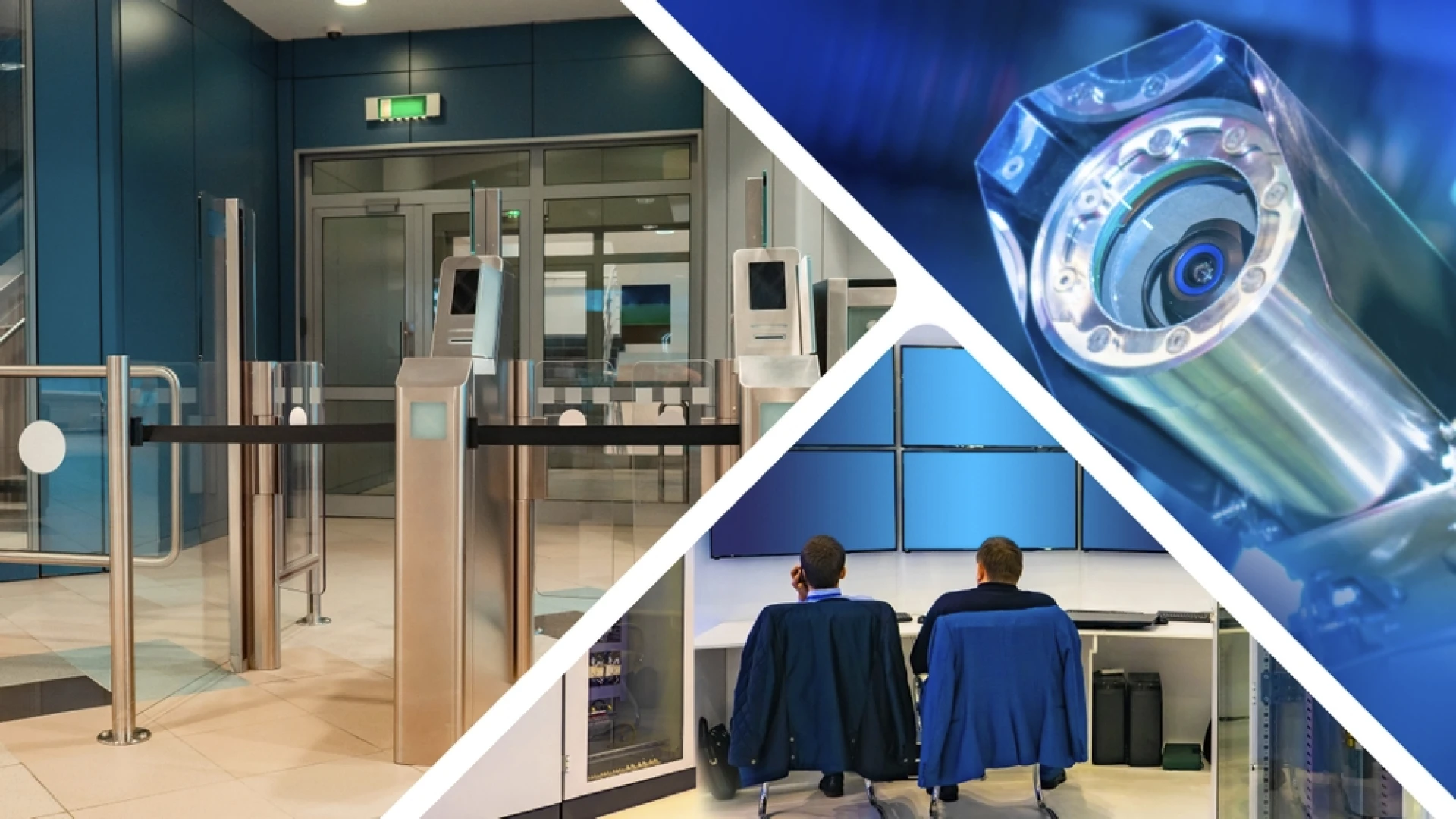
How to Optimize Physical Security with Turnstile Systems?
As security needs continue to increase, physical security solutions are becoming smarter and more integrated. At this point, turnstile systems stand out as one of the most effective solutions for controlling access and preventing unauthorized entry. Especially in areas with high foot traffic, using turnstile systems to optimize security has become a standard.
What Are Turnstile Systems?
Turnstile systems are mechanical and electronic security solutions used to control entry and exit to specific areas. These systems do not allow passage without identity verification, preventing uncontrolled access.
Modern turnstiles can be integrated with various technologies such as card access, biometric authentication, and QR codes.
The Role of Turnstiles in Physical Security
Within access control systems, turnstiles form the first line of defense in physical security. These systems ensure that only authorized individuals can access restricted areas.
This is particularly important in critical environments such as data centers, factories, offices, and public institutions.
Preventing Unauthorized Access
Access control systems integrated with turnstiles prevent unauthorized entry instantly. Access is not possible without card authentication, biometric verification, or mobile identity validation.
This minimizes security vulnerabilities and ensures full control.
Integration with Card and Biometric Systems
The process that started with card access systems has evolved into more secure solutions with biometric access systems. Identity verification can be performed through fingerprint, facial recognition, or iris scanning.
This integration provides users with a fast and secure access experience.
Employee Tracking and Reporting
Employee entry-exit control systems integrated with turnstiles record staff movements. This data is crucial for human resources and operational management.
Detailed reports allow easy analysis of working hours, shift planning, and performance.
Traffic Management in Crowded Areas
Turnstile solutions bring order to areas with heavy human traffic. They provide controlled access in locations such as stadiums, metro stations, airports, and business centers.
This improves both security and the organization of movement.
Integration with Smart Security Systems
Smart security systems integrated with turnstiles work alongside CCTV, alarms, and other security solutions. This creates a multi-layered security structure.
With centralized management, all security processes can be controlled from a single platform.
Emergency Scenarios
Within security automation, turnstile systems can automatically unlock during emergencies to facilitate evacuation. Situations such as fires, earthquakes, or security threats require fast exit solutions.
This feature is critical for human safety.
Design and Architectural Harmony
Modern turnstile systems not only provide security but also align with architectural aesthetics. Designs made from glass, stainless steel, and minimalist elements enhance corporate image.
This allows security solutions to be implemented without disrupting the architectural integrity.
Cost and Investment Advantage
Among physical security investments, turnstile systems provide long-term cost advantages. They reduce the need for personnel and lower operational expenses.
At the same time, preventing security breaches minimizes potential losses.
The Future of Turnstile Systems
In the future, turnstiles integrated with smart security systems will perform AI-powered behavioral analysis, enabling proactive security control.
With mobile authentication and contactless technologies, user experience will continue to improve.
Competitive Advantage and Security Strategy
Businesses using turnstile systems enhance their security standards, creating safer environments for both employees and visitors.
This increases brand reliability and provides a competitive advantage. In the modern world, security is not just a precaution but a strategic investment.
Inspiring Posts