


24 April 2026
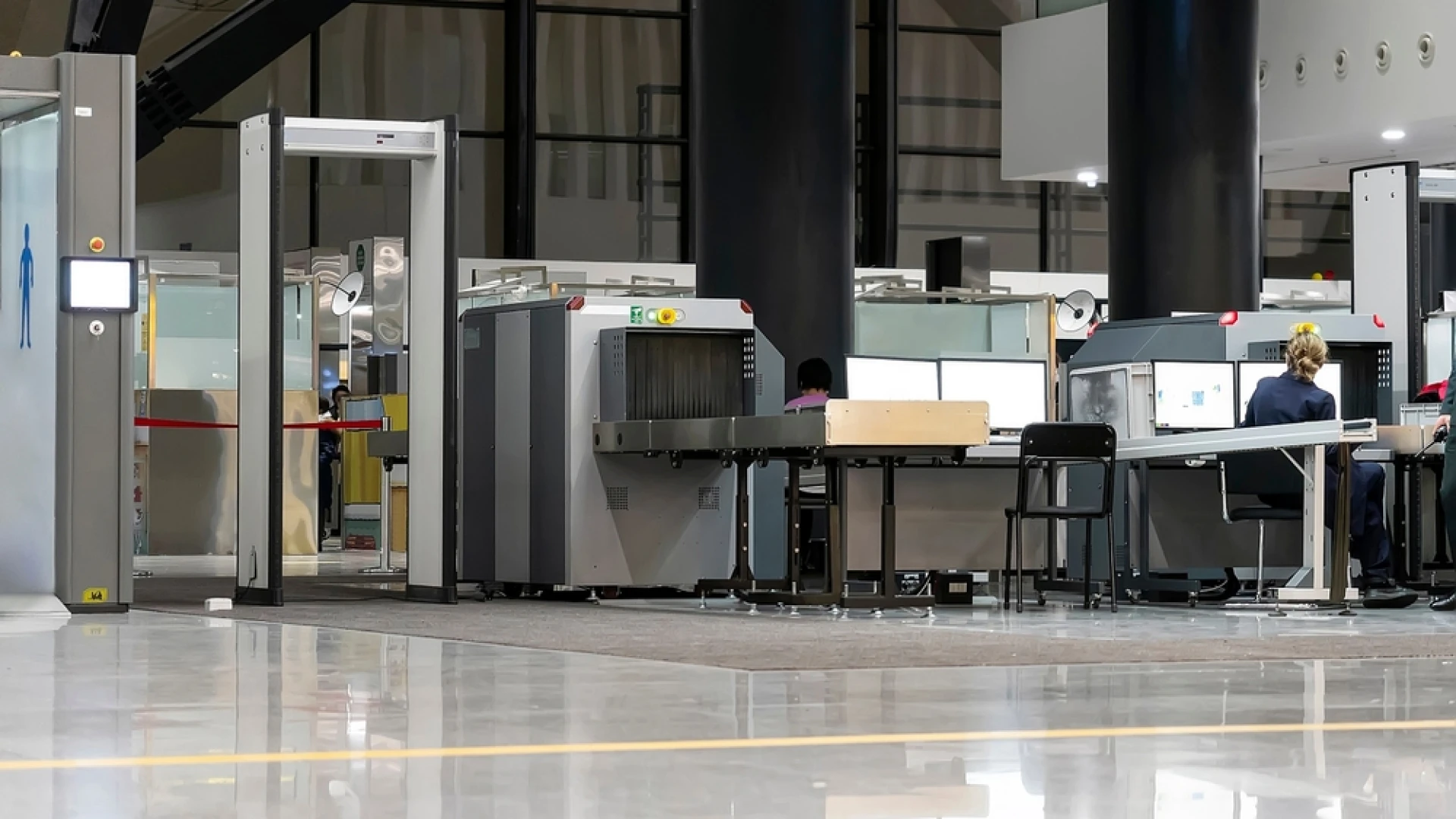
How Do X-Ray Security Systems Work? Where Are They Mandatory?
As security technologies rapidly evolve, x ray security systems play an indispensable role in protecting critical areas. From airports to public buildings, shopping centers to logistics hubs, these systems enable early detection of potential threats. Increasing security needs have made the use of these technologies more widespread and essential.
What Are X-Ray Security Systems?
X ray devices are advanced scanning technologies that allow the inspection of bags, luggage, or packages without opening them. These systems use X-rays to create images based on the density and structural properties of objects.
This enables the fast and effective detection of dangerous items such as weapons, explosives, or prohibited materials.
How Do X-Ray Systems Work?
Security scanning devices transmit X-rays through objects, allowing materials of different densities to appear differently on the screen. Dense materials appear darker, while less dense materials are shown in lighter shades.
Advanced software analyzes these images and alerts operators about potential threats.
The Importance of Imaging Technology
Luggage scanning systems provide detailed analysis through high-resolution imaging technology. The separation of organic and inorganic materials enables operators to make faster and more accurate decisions.
This technology minimizes error rates while maximizing security levels.
Where Are They Mandatory?
Airport security systems are among the most common environments where X-ray devices are mandatory. According to international security standards, all luggage must pass through these systems.
Additionally, courthouses, government institutions, border gates, metro stations, and large event venues require the use of these systems.
Use in Public and Private Sectors
Within the scope of security technologies, X-ray systems are widely used not only in public areas but also in the private sector. Shopping malls, hotels, exhibition centers, and business complexes actively use these systems.
This ensures visitor safety while enhancing the organization's reputation.
Detection of Hazardous Materials
Hazard detection is one of the most critical functions of X-ray systems. Explosives, weapons, and other prohibited items are quickly identified to prevent potential threats.
Advanced algorithms allow systems to automatically flag suspicious objects.
Operator and Artificial Intelligence Support
Modern x ray security systems are not solely dependent on operators. With AI-powered security software, systems can perform automatic analysis.
This reduces human error and ensures faster and more accurate results.
Health and Safety Standards
X ray devices are used in compliance with specific health standards. Modern devices operate with low radiation levels that do not harm human health.
Additionally, operators are trained and safety protocols are strictly followed.
Integration with Smart Systems
Smart security systems integrated with X-ray solutions work alongside CCTV and access control systems to create a comprehensive security infrastructure.
This integration allows all security processes to be managed from a central system.
The Future of X-Ray Technology
In the future, X-ray devices integrated with AI security systems will be capable of faster and more precise analysis.
With automatic threat detection, learning systems, and data analytics, security levels will continue to improve.
Investment and Security Advantage
Investing in x ray security systems is not just a safety measure but also a strategic advantage for organizations. These systems minimize risks and create secure environments.
Today, these technologies have become indispensable for all institutions aiming to elevate their security standards.
Inspiring Posts